The Designer, Developer, and Missing Puzzle Piece in the Website Building Trifecta
When choosing a studio to design and develop your website, it's essential to sus out their skills. Are they an experienced developer? What languages do they speak (programming languages, that is)? Will they make my website work well and look aesthetically pleasing? These are all great points to discuss with your potential website design and development partner(s). But what if we told you there’s more?

The website building process is often categorized into two sections: design and development. But as we see it, there are three. The third being strategy. Why is this final point so commonly left off the list? We'll break down the three roles and how they intermingle to create a beautiful, responsive, and lead-capturing tool for your business.
Design: In simple terms, the designer is the person who makes your website look great. They work within your brand standards to ensure your fonts, colors, textures, and graphics best represent your brand. On some teams, the designer will design your website’s look in a program like Figma or Illustrator. Then, that file is handed off to a developer to bring to life. A designer often has a background in graphic design or a related creative field.
Development: A developer is responsible for transforming front-end design into a searchable, clickable website. There are many types of developers who specialize in different languages like CSS, HTML, JavaScript, and Python. Different languages of code target different areas of your website. Some developers may specialize in front-end development (making your site beautiful), while some may prefer back-end code (which makes your site function). Development is an incredibly detailed and technical career path. While these individuals can make your website run without a hitch, they may not be skill at (or even interested in) the creative design side.
Designers and developers serve unique and specialized purposes. This is why they work so well together. In a way, they represent the left and right sides of the brain, working together in creative and technical harmony.
While these two are working together to ensure the customer has a great experience, we know there's still one piece missing in the puzzle. The foundational piece. This piece is looking out for the owner of the website; the person who will be in the weeds, updating products, adding commas, and performing daily maintenance. This missing puzzle piece is the strategist.
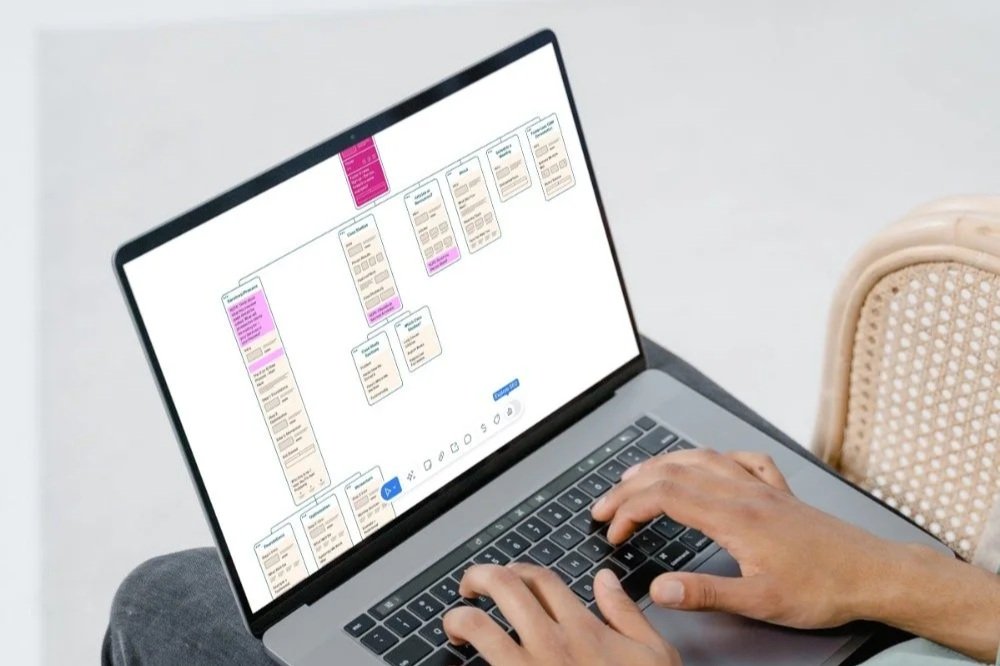
Strategy: Throughout the website design and development process, the strategist keeps two people in mind: the end user and the website owner. The strategist first organizes the website's content so that it effortlessly encourages users to take action—aka spending their hard earned money on your product or service. Then, the designers and developers take over to carry out their duties. Finally, the strategist steps back in to think about the website's owner. Will this website be easy to update? Can the website owner add a new product or service by themself?
At Happenstance, we're lucky in the Designer–Developer–Strategist paradigm. Shelley has worked as a website designer for over a decade, and she’s worked directly with clients for even longer. During that time, she’s come to understand the levels of website knowledge that clients bring to the table (sometimes this is zero, sometimes they’ve built their own site in the past). This helps her understand the level of editing they will be able to do and can cater the design to fit within these parameters — without sacrificing the look and functionality of the site! She’s also wonderful at taking all of the bits and pieces clients want on their website and organizing them in a way that makes sense to users. She loves this work and it serves as the foundation for every website project! Annie brings a profound love and eye for design to website projects. She’s often created the brand prior to beginning the website design and has a clear vision for how the logo and design elements should be translated into the website’s design. She’s also an incredible coder, which means she is an A+ problem-solver and can make most design wishes come to life!
Combining our skills, we cover all the crucial roles in the website building process, making our team of two quite the trifecta.
Are you interested in learning more about the website building process? Contact us to schedule a complimentary Discovery Call. We're always eager to help new clients reach their customers on the web.
The Latest from Happenstance
✸
The Latest from Happenstance ✸